9+ curated guides • Updated November 2025
That long, dangling belt end you see on city streets and style feeds isn't a mistake or a sign of sloppiness; it's a statement. In an age of algorithm-approved perfection and hyper-curated digital lives, this small act of 'sprezzatura' is fashion's quiet rebellion—a deliberate choice to be beautifully undone. It’s a sartorial sigh of relief, a crack in the polished veneer of our online personas. This trend isn't about the belt itself, but about the space it occupies—the un-tucked, un-looped, and uncontrolled. As a fashion anthropologist, I see this not as a fleeting fad, but as a significant cultural marker reflecting our collective fatigue with flawlessness.
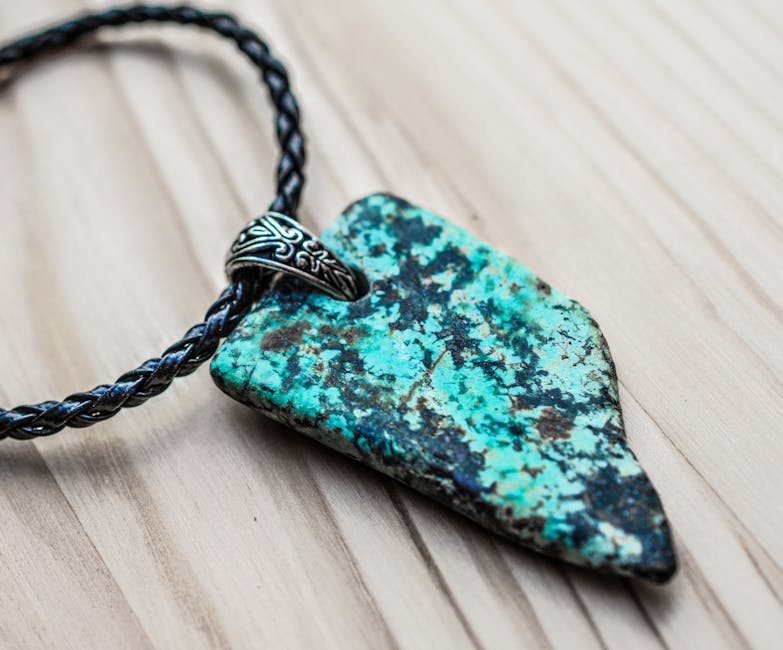
We choose jewelry to express who we are, but what if the piece itself already has a soul? A factory-made necklace is a silent object, but a handmade creation carries the echo of its maker's hands, heart, and intention. We're not just talking about aesthetics; we're talking about the invisible story that makes handmade jewelry more than an accessory—it's a connection. This is the transfer of spirit from creator to creation, a phenomenon that imbues a simple object with a history before it even meets its owner. It becomes a talisman, a piece of a person, a story forged in fire and silver.
When a celebrity buys a multi-million dollar mansion in Puerto Rico, it makes international headlines. But what happens to the corner colmado, the local artist, or the family renting down the street? We look past the glamour to uncover the real, on-the-ground economic boom and backlash of the island's growing status as a celebrity haven. This isn't just about famous faces in new places; it's a complex socio-economic phenomenon fueled by aggressive tax incentives like Act 60, which promises a near-tax-free paradise for those who can afford the price of admission. Our investigation delves into the dual realities this creates: one of glittering opportunity within gated communities, and another of rising costs and cultural displacement just outside their walls.
You've seen it: the sad, dry cone of mystery meat sweating under a heat lamp. The search for a 'kebab near me' is a high-stakes game, but what if you could spot a winner before you even look at the menu? Forget the online reviews; the real clues are hiding in plain sight, and we're going to show you how to read them. For the last decade, I've navigated the treacherous back alleys and glistening storefronts of the global kebab scene. I've seen things that would turn your stomach and tasted creations that border on divine. This isn't about luck. It's about observation. It's about knowing the code.
You just typed 'pasta near me' into your phone, and a dozen options popped up. But before you book a table, consider this: how many of those kitchens are just boiling pasta from a box versus crafting delicate, fresh noodles by hand each morning? We did the delicious detective work to separate the masters from the marketers, so you can find a truly memorable meal. This isn't just about finding food; it's about uncovering a craft. In this investigation, we'll equip you with the clues to look for, the questions to ask, and the tell-tale signs that separate a true pasta artisan from a kitchen cutting corners. Consider this your official field guide to pasta authenticity.
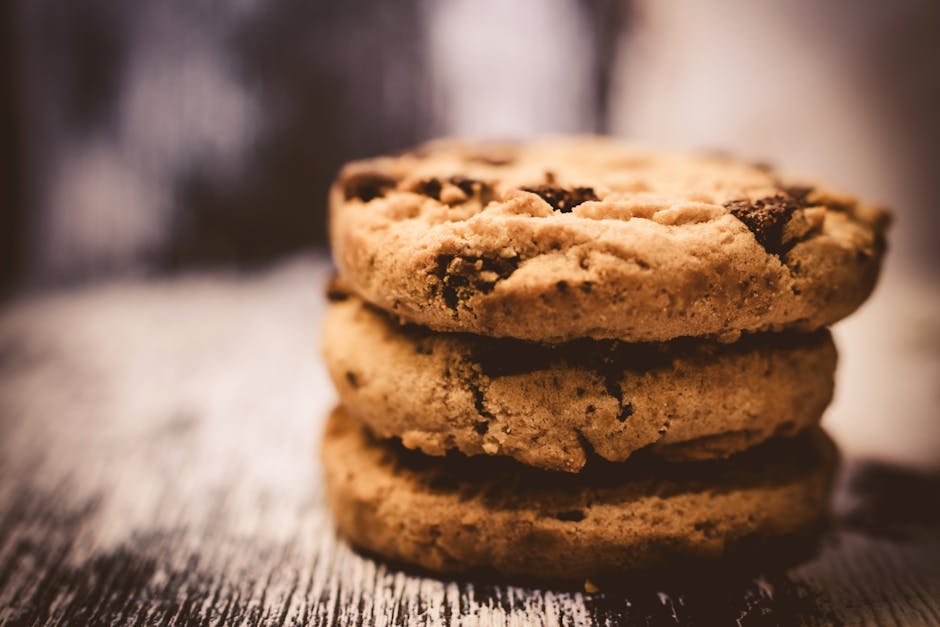
Forget the endless search for the one 'perfect' chocolate chip cookie recipe—it doesn't exist. Instead, what if you could engineer your ideal cookie based on hard data? We've turned the kitchen into a lab to deconstruct this classic treat, giving you the blueprint to control everything from chewiness to crispiness. This is not another recipe; this is a system. By isolating and manipulating the core variables—fat, sugar, flour, and temperature—we can map the entire spectrum of possible cookie outcomes. We call it The Cookie Matrix. Prepare to move beyond simply following instructions and start making informed, data-backed decisions to build your signature chocolate chip cookie from the ground up.
We associate emeralds with ancient royalty, power, and untouchable value. But the truth is, the majority of emeralds sold today have been artificially fractured, filled with oil, or grown in a lab—a fact the market often obscures. Before you invest in May's birthstone, you need to understand the one secret Cleopatra knew: authenticity is everything. For years, I graded these stones in a GIA lab, watching certificates get printed for gems whose natural beauty was buried under layers of resin and deception. Now, I'm telling you what the industry doesn't want you to know. This isn't just about a green stone; it's about reclaiming the definition of value.
With a name like 'Celebrity,' you'd expect a high-maintenance diva of the vegetable patch, demanding the perfect light and throwing a fit at the first sign of blight. The reality is much less dramatic and far more impressive: this garden A-lister achieved its fame not through flashy drama, but through the kind of boring reliability that wins awards year after year. The Celebrity tomato is the Tom Hanks of the garden. It's not a moody, method-acting heirloom that demands perfect conditions to deliver a transcendent, once-a-season performance. Instead, it shows up, hits its marks every time, and delivers a consistently great product that you can build a whole meal—or even a whole season—around. It’s the foundational bedrock upon which a gardener’s ambition can safely rest.
You hit 'place order' on your McDelivery, thinking you scored a convenient meal. In reality, you just paid a 40% 'convenience tax' for lukewarm fries and a missing McFlurry. There's a better way to play the game, and we have the cheat codes. For years, I've analyzed the patterns, reverse-engineered the pricing models, and timed the kitchen workflows. The McDonald's app isn't a menu; it's an opponent. It's designed to guide you toward maximum profit, not maximum satisfaction. This playbook reframes the transaction. We're not just ordering food; we're executing a calculated strategy to secure the highest quality meal for the lowest possible cost. It's time to stop being a passive consumer and start being a McGenius.